










Every successful drug begins as an idea. But only a fraction of these therapies become real, manufacturable therapies. Up to 50% variability in solid-state form screenings and frequent polymorphic failures derail progress. If we include hydrates and solvates, this number goes up to 90%[1]. That’s why pharmaceutical innovation today is about control.
This article explores the technical processes that fuel the progress and future of healthcare. For this aim, we talked with our expert Harry Birimirski, a solution architect at BGO Software, to bring to our attention details about the technical development of synthetic molecules and PTDC.
Introduction to Process Technology and Development Center (PTDC)
The journey from molecule to medicine is rarely linear and easy. Between discovery and delivery lies a sophisticated network of process design and optimization. At the center of this transformation is the Process Technology and Development Center (PTDC) – the operational core that ensures promising molecules become regulatory-ready therapies.
“We need PTDC because it is the essential bridge between innovative research and life-changing therapies. Without it, many groundbreaking ideas would remain just that – ideas.”
–Harry Birimirski
PTDCs translate scientific discovery into industrial applications. They begin with lab-scale synthesis and guide compounds through clinical development into full commercial production[2].
Synthetic molecules: definition and relevance
“What are the synthetic molecules?” – This is a necessary question to answer since we described PTDC as crucial to delivering them. Synthetic molecules are man-made compounds produced in laboratories as a result of various chemical processes. They are designed to mimic natural molecules, recreating structures and even scents in the perfumery industry.
Chemists combine various ingredients, like following a recipe, to achieve a close resemblance to the natural form. What makes them fascinating is that some are created completely from scratch, while others start with natural chemicals that are modified to enhance their properties[2,3].
But with more than half of recent FDA approvals involving synthetic active pharmaceutical ingredients (or APIs), the pressure on PTDCs to deliver is higher than ever. These centers integrate crystallization monitoring and advanced modeling so that synthetic compounds can be manufactured consistently across development stages.
Crystallization and solid-state selection
Crystallization represents one of the most crucial and high-risk phases in pharmaceutical development. It is, in fact, a foundational moment in determining a drug’s manufacturability and therapeutic effectiveness, even though it may appear to be a simple purification step. The wrong polymorph can lead to low bioavailability in the organism or unpredictable behavior during processing. For this reason, PTDCs apply extensive scientific scrutiny and real-time control technologies to navigate this phase with precision.
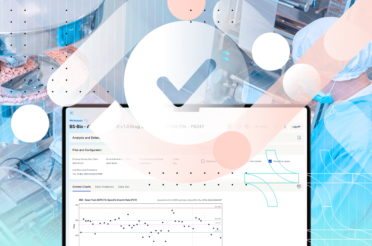
PTDCs use sophisticated tools to monitor crystallization in real time. Techniques like ATR-UV/Vis and Raman spectroscopy give scientists precise insight into crystallization dynamics. Supersaturation and hydrate transformations can be observed and adjusted in real time to promote the formation of the desired polymorph.
A notable example is the use of UV–Vis spectroscopy coupled with feedback-controlled temperature for selective crystallization of ortho-aminobenzoic acid (OABA).
Polymorphic variability remains a significant hurdle. A great number of synthetic candidates exhibit multiple solid forms in development[1]. This affects all of the drug’s characteristics – stability, solubility, bioavailability, and manufacturability. PTDCs tackle this with in silico screening and real-time analytics.
Crystallization is a design decision, not just a purification step. The chosen solid-state form impacts everything from scalability to therapeutic efficacy. While a compound might exhibit several polymorphs, only one or two may fulfill all necessary criteria. PTDCs evaluate forms using, for example, phase diagrams. They employ controlled supersaturation and antisolvent addition to precisely initiate nucleation. Additionally, they use carefully regulated cooling profiles to guide subsequent crystal growth.
In situ technologies (Raman, FBRM) allow scientists to monitor transitions in real time. This level of control helps eliminate surprises during scale-up[2].
From crystallization to digital design: AI and ML in synthetic route development
After crystallization is controlled and a robust solid form is established, the development journey advances to route design. This stage has traditionally relied on iterative lab work, but artificial intelligence (AI) and machine learning (ML) are now transforming how synthetic routes are tested and optimized.
Especially in flow chemistry, AI enables dynamic adjustments that would be nearly impossible manually. Once a stable form is identified and crystallization protocols are set, attention turns to optimizing the synthetic route. Increasingly, this means harnessing artificial intelligence and machine learning. These tools are helping PTDCs move beyond traditional trial-and-error approaches.
AI models analyze massive datasets to predict outcomes, optimize reaction conditions, and even suggest new synthetic pathways. Computational chemistry simulates reactions and forms behavior. In flow chemistry, for instance, ML algorithms adjust temperatures, solvents, and catalyst concentrations for optimal output.
Digital design is enabling discovery. AI algorithms propose novel molecular structures that could deliver therapeutic effects and exhibit favorable manufacturing traits. These discoveries might never emerge using conventional R&D workflows[2].
Innovations in synthetic molecule development
Beyond AI and crystallization control, PTDCs are embracing a wave of frontier technologies that push the boundaries of what synthetic drug development can achieve. If we talk about innovations in the field of synthetic molecules, we have to mention many recent technologies that are now used extensively.
“CRISPR/Cas, flow chemistry, and automated synthesis platforms are converging to enable the rapid creation of APIs. Each innovation brings us closer to a future where science and technology work hand in hand to improve lives.”
–Harry Birimirski
Clustered regularly interspaced short palindromic repeats (CRISPR)/CRISPR-associated proteins (Cas)
CRISPR/Cas is a powerful tool that can edit genes as easily as we write and format text. It allows us to make precise genetic changes in microbial systems. This precision opens new doors for producing complex biologics and small molecules. The technology is simple yet revolutionary. It offers a level of control that was once impossible.
The integration of CRISPR/Cas with flow chemistry and automated synthesis platforms is truly inspiring. Flow chemistry replaces traditional batch processes with continuous production. This change ensures consistent reaction conditions and easy scalability. These help in the creation of active pharmaceutical ingredients for antiviral, anticancer, immunotherapeutic agents, and many others.
New CRISPR technologies are emerging every day, our expert says. Inventors have created systems that introduce functional proteins into specific cell types. Researchers are developing delivery methods that use the cell’s natural pathways. Startups are even moving forward with clinical trials for transformative therapies[3].
Synthetic cells
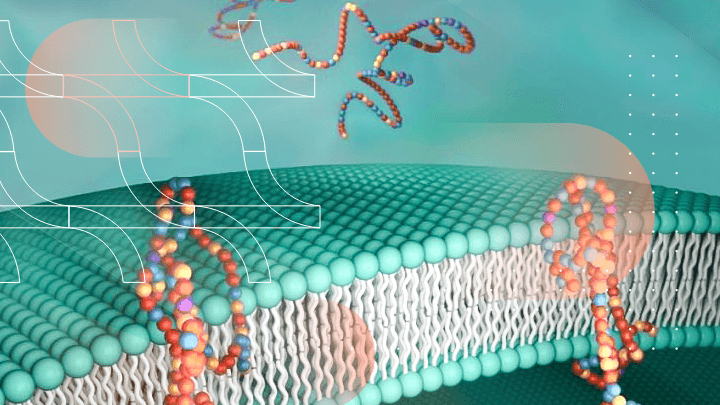
Synthetic cells are engineered systems that mimic the functions of real, living cells. They are built from scratch in the laboratory using precise chemical and biological techniques. Research teams are exploring how these cells can transfer materials between synthetic and live cells. For example, a project at the University of Texas received significant funding to create synthetic adhesome cells. These cells are designed to control the exchange of materials, opening new ways to deliver drugs or modify biological behavior.
Innovations in synthetic cells extend to many practical applications. Researchers at the University of Connecticut have even filed a patent for synthetic artificial stem cells. These engineered cells imitate the healing effects of natural stem cells and can be customized for targeted tissue regeneration. A startup called Satellite Bio has received a large investment to develop implantable satellite organs. This work aims to provide off-the-shelf cell therapies that could transform treatment for serious diseases[3].
Translating science into production: process technology
Once a synthetic route and optimal solid form have been validated, the focus shifts to execution at scale. This phase is where even the best laboratory design can falter if process engineering and physical material properties aren’t aligned. PTDCs play a vital role in making sure every aspect of production is meticulously planned and validated for commercial manufacturing.
- Particle engineering tools (micro-CT, SEM, and laser diffraction) measure properties like particle size distribution, surface area, and porosity. These affect solubility and compressibility.
- The Manufacturing Classification System (MCS) helps define process requirements. Whether the product is made via direct compression or granulation (that can be dry or wet), the API must meet tight physical specifications. For example, low-dose APIs (<2 mg) demand high particle uniformity to ensure dosage consistency.
- Hydrate transformations – such as shifts between anhydrous and monohydrate forms – must also be assessed. These can be triggered by humidity, heat, or excipients. PTDCs perform stress testing to prevent form changes during processing or storage.
- Digital systems enhance control. ELNs and LIMS track all variables. Scientific Data Management Systems (SDMS) and formats like AnIML ensure data is searchable and standardized. OPC-UA and SiLA protocols connect instruments and software in real time[2].
Innovations in scalable production technologies
Now, we are seeing the optimization of old processes and the rise of others. Here are some examples of that:
Flow chemistry
The technology of Flow chemistry was already mentioned, but deserves its own chapter as it is crucial to the production of molecules. This design replaces traditional batch synthesis with steady, controlled production. For example, pharmaceutical companies use flow chemistry to produce active ingredients for drugs. The process enables rapid fine-tuning of reaction conditions.
The benefits of flow chemistry extend to both research and industrial manufacturing, our expert outlines. The system is modular and adaptable for different scales. Flow chemistry also promotes sustainability by minimizing waste and energy consumption.
Green Chemistry
Our expert Harry Birimirski evaluates green chemistry as a logical alternative to how we approach chemical synthesis. Ecological solutions are becoming more and more popular in all productions, including pharmaceutical. Green chemistry emphasizes using safer, renewable materials and cutting waste at every step. Researchers use solvent-free reactions and biocatalysis to minimize harmful byproducts. Advanced catalytic systems now use common metals like iron and nickel instead of expensive, rare elements.
The benefits of green chemistry go far beyond environmental care. Energy-efficient techniques, such as microwave-assisted organic synthesis, accelerate reactions and reduce energy use. This approach not only saves time but also lowers production costs. Atom-efficient reactions, like click chemistry, create vital antiviral and anticancer agents with minimal waste. Pharmaceutical companies now meet strict regulatory standards while keeping production economically viable.
Photoredox and electrochemical synthesis
Photoredox and electrochemical synthesis use light and electrical energy to drive chemical reactions. In photoredox synthesis, a catalyst absorbs light to initiate electron transfers that form new bonds. This method works under mild conditions and creates unique reactivity patterns. Electrochemical synthesis uses electricity to push reactions forward.
Our expert shares the opinion that these techniques offer exciting new pathways for making novel molecules. They enable the formation of molecular architectures that are difficult to achieve with traditional methods. Energy input is clean and controllable. This thus leads to fewer byproducts, and fewer byproducts in turn mean a smaller environmental footprint.
C-H activation
C-H activation opens a new door in chemical synthesis. It targets the carbon-hydrogen bonds directly. This method transforms simple molecules into complex ones in fewer steps. Chemists have used it to build intricate drug molecules from basic hydrocarbons. It reduces waste and cuts down on time and cost.
High throughput screening (HTS) and automation HTS
High-throughput screening and automation of HTS revolutionize the way we discover new drugs. These are techniques that rely on various technological tools. Robotic systems handle thousands of tests in a short time. Liquid handling devices precisely deliver tiny amounts of chemicals. Sensitive detectors measure responses with great accuracy. Data processing software sifts through vast amounts of information in seconds.
This technology speeds up research and reduces costs. It allows scientists to quickly pinpoint promising compounds for further development. For example, automated screening systems have identified new lead molecules for cancer therapy.
Challenges in synthetic molecule technical development
Synthetic molecule technical development faces many challenges. Even with advanced technologies, real-world implementation can be difficult. Transitioning from lab-scale to industrial production reveals new hurdles – many tied to system integration and team coordination.
“The hardest part of the development of biological molecules is usually the integration of the components. Different parts have evolved to work in unique contexts and may behave unpredictably when combined.”
–Harry Birimirski
- Modularization and standardization of biological parts. Modularization and standardization in synthetic biology are like building with blocks. Biological parts such as genes, promoters, and terminators serve as building blocks that can be snapped together to create new cellular functions. However, many of these parts remain undefined or incompatible. Even enzymes that are well studied may perform poorly in a new environment due to unpredictable interactions. The variability and complexity of these components make it difficult to build reliable and transferable biological circuits.
- Integration of biological parts at the system level. The next step of synthetic molecule development is to combine and design everything so that it fits and serves its purpose.
For example, scientists design microbial cells to convert plant biomass into valuable compounds, yet the same gene may act differently in various hosts. This process requires well-characterized gene expression systems and careful management of reaction conditions. Also, it needs co-factor balance and precursor availability.
- Long-term structural and chemical stability over multiple generations. Stability is vital when cells replicate. Especially in gene engineering and gene therapies, this is vital. Engineered constructs may be lost or changed over time. Scientists use techniques like genome integration to lock in the desired traits and ensure long-term functionality.
- Scalability from laboratory experiments to industrial production. Scaling up a synthetic process from a small lab test to full-scale production is a major challenge, our expert says. What works in a petri dish may not work in a large bioreactor. Engineers need to optimize conditions to ensure that the process remains efficient and cost-effective. They test different scales and adjust the reaction parameters.
- Collaboration challenges. Apart from the technical and biochemical challenges, there is the human factor that can be bigger than you think. Cross-functional collaboration among software developers, scientists, doctors, and others faces many challenges. Each field speaks its own language. A data scientist may use technical jargon that a doctor does not understand, while a doctor describes clinical needs in everyday terms[7].
Can we bridge these gaps without clear communication and mutual understanding? Teams must define roles and set shared goals. Practical tools such as mock-ups and iterative prototypes help everyone see and feel the project. This collaboration demands patience and respect for one another.
Overcoming these challenges is essential for the future of synthetic molecule development. While technical hurdles and collaboration difficulties slow progress, they may also drive innovation[5].
Regulatory and compliance considerations
PTDCs operate within strict regulatory frameworks. Regulations exist to ensure that every breakthrough is safe, effective, and even ethically sound. Without strict oversight, new drugs and biomaterials could pose serious risks to human health and the environment. Agencies like the FDA and EMA require full documentation of solid form selection. Developers must justify choices related to cocrystals and solvates, as well as their preferences for salts.
ICH Q6A and Q8 guidelines mandate polymorph identification and characterization. Lack of form stability data has delayed or blocked over 17% of NDAs and MAAs.
Regulatory expectations include:
- Stability testing under ICH conditions (Q1A).
- Demonstration of consistent polymorphic form across batches.
- Impurity profiling and threshold adherence.
- Monitoring of solid form under stress conditions, including humidity and heat.
The analytical techniques XRD, DSC, and TGA are used routinely to support these efforts. Continuous documentation via digital systems ensures traceability and compliance.
Sustainability regulations are also tightening. Green chemistry practices are becoming required in some jurisdictions.
In pharmaceuticals, a single oversight in compliance can lead to dangerous side effects, costly recalls, and even legal consequences. Compliance guarantees environmental sustainability and worker safety and prevents harmful chemical exposures. While some see regulations as obstacles, our expert Harry believes they are, in fact, the key to building trust and securing long-term success in synthetic molecule innovation[2,5].
Conclusion: from particle to patient
True innovation in synthetic drug development doesn’t end with molecular discovery. The real test begins when a compound must perform reliably in manufacturing steps as well as in storage and global distribution.
PTDCs are where theory becomes practice. They transform abstract chemical structures into real-world therapies. Their tools, chemical and digital, are what carry breakthroughs from the lab bench to the patient’s bedside.
In this environment, software and science are inseparable. Every modern medicine owes part of its success to the precise work of a PTDC.
Sources
- [1] Ball, P. (2007, September 1). The shape shifters. Chemistry World.
- [2]Gruss, M. Solid State Development and Processing of Pharmaceutical Molecules: Salts, Cocrystals, and Polymorphism. John Wiley & Sons, 2021
- [3]Joy Y. Wang et al. “CRISPR technology: A decade of genome editing is only the beginning.” Science, 379 (2023).
- [4]“Our Businesses: Small Molecules.” Lonza 2023 Annual Report, Lonza, 2023,.
- [5]Borsboom, Denny, et al. “Network Analysis of Psychopathology: A Tutorial.” PowerTech Journal, vol. 1, no. 1, 2023, pp. 1-15, https://powertechjournal.com/index.php/journal/article/view/1355/987.
- [6]Smith, John, et al. “Innovative Approaches to Molecular Synthesis.” Journal of Advanced Chemical Sciences, vol. 10, no. 2, 2025, pp. 9-14,
- [7]Piccione, P. M. (2021). Realistic interplays between data science and chemical engineering in the first quarter of the 21st century, part 2: Dos and don’ts. Chemical Engineering Research and Design, 169, 308–318. doi:10.1016/j.cherd.2021.03.012

Harry is a GMP Validated Systems Champion and solution architect for BGO Software’s Validated Systems portfolio. With nearly ten years of experience in GxP processes and more than 15 in software development, including work with leading pharmaceutical companies, Harry is the ideal choice for learning about Good Manufacturing Practices, processes, and the technology that goes with it.
link to the author’s linkedin profile