









Picture this: A patient leaves their doctor’s office with a prescription and the best intentions to follow their treatment plan religiously. Fast forward three weeks, and that bottle of pills sits on the kitchen counter like a silent accusation, half-forgotten and mostly ignored. Sound familiar? You’re witnessing one of healthcare’s most expensive problems in action.
Medication adherence failures cost the U.S. healthcare system over billions annually, but here’s the kicker – most of these failures go undetected until patients show up in emergency rooms with preventable complications. Traditional subjective methods of tracking compliance are about as reliable as asking teenagers if they’ve done their homework. [1]
Enter real-time monitoring – the technology that’s finally giving healthcare providers the truth about what happens when patients walk out the door.
Key takeaways
- Real-time adherence monitoring provides objective, immediate insights into patients’ medication-taking behaviors.
- Technologies like wearables and IoT-connected devices help with timely healthcare interventions.
- Real-time Adherence Monitoring systems improve patient outcomes and reduce healthcare costs by enabling preventive care.
- Despite its benefits, real-time monitoring faces challenges, including privacy concerns and complex regulatory requirements.
What is real-time adherence monitoring?
Let’s cut through the jargon. Real-time adherence monitoring is like having a microscope on patient behavior, except instead of looking at cells, we’re examining every pill-taking moment as it happens. This isn’t your grandmother’s pill organizer with the days of the week marked in faded letters.
Think of it as the difference between asking someone “How’s your diet going?” versus actually watching them choose between a salad and a cheeseburger in real-time. Electronic monitoring devices capture the moment of truth, not the sanitized version they might report during their next appointment.
Research proves this point beautifully: their wireless pill container achieved reliability coefficients of 0.883-0.911, making it more dependable than most weather forecasts. The adherence monitoring tool doesn’t judge, it doesn’t forget, and it certainly doesn’t sugarcoat the results. [2]
But here’s where it gets interesting – these systems do much more than collect data like digital pack rats, as they transform raw medication-taking events into actionable intelligence that healthcare providers can actually use to improve patient care. When a transplant recipient misses a critical immunosuppressive dose, the system knows within minutes, not weeks.
How real-time adherence monitoring works

Now we know what we are dealing with. The natural next step is to explore its ins and outs – how exactly it functions.
Data collection methods (wearables, smart pills, mobile apps)
Gone are the days when monitoring medication compliance required hiring private investigators to follow patients around (though that would certainly be thorough). Modern digital health technology has evolved into something far more elegant and significantly less creepy.
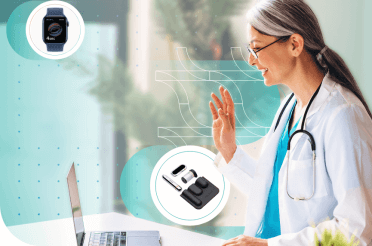
Wearables represent the Swiss Army knife of adherence monitoring – versatile, unobtrusive, and surprisingly intelligent. Studies demonstrate that these devices excel at managing chronic diseases by providing continuous glucose readings and supporting precise insulin dosing. But wearables do more than just track steps; they monitor physiological responses that reveal whether medications are actually working. [3]
Smart pill dispensers take a more direct approach – they’re basically the honor system’s much smarter cousin. These devices know exactly when pills disappear from containers and can distinguish between a patient taking their evening dose versus accidentally spilling the entire bottle while fumbling in the dark.
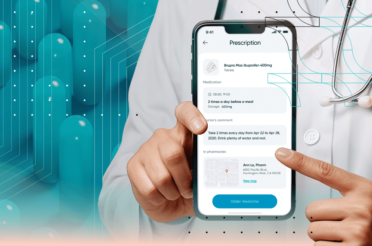
Mobile applications serve as the diplomatic ambassadors of adherence monitoring, gathering patient-reported adherence data while providing education and support. Unlike their hardware counterparts, apps rely on patient cooperation, but they compensate by offering features that patients actually want to use – like medication reminders that don’t sound like fire alarms.
Role of IoT and connected devices in monitoring
Internet of Things connectivity transforms individual monitoring devices into comprehensive monitoring systems that, to the untrained eye, could look like a NASA mission control center. Every connected device becomes a potential data point in understanding patient health status.
The beauty of IoT integration lies in its ability to provide context that isolated measurements simply cannot offer. Environmental sensors detect whether medications are stored properly, while connectivity features ensure that critical adherence data reaches healthcare providers faster than gossip in a small town.
AI and machine learning for predictive analytics
Here’s where science fiction meets medical reality: artificial intelligence algorithms can predict adherence failures before they happen. These systems analyze patterns with the dedication of a chess grandmaster studying their opponent’s moves, identifying risk factors that human observers might miss completely.
Machine learning models trained on massive datasets recognize subtle behavioral patterns that precede non-compliance events. Future developments could turn them into fortune tellers with PhD degrees in data science, enabling healthcare interventions before problems escalate into crises.
Key technologies enabling real-time adherence Monitoring

Smart medication packaging (e.g., smart pill bottles, blister packs)
Remember when the most sophisticated feature of a pill bottle was the child-resistant cap? Modern smart packaging transforms ordinary medication containers into surveillance devices that would impress any spy novelist.
Electronic monitoring devices embedded in pill bottles detect every cap removal with forensic precision. Smart blister packs register individual dose extraction events. Advanced systems even monitor environmental conditions to secure that medications maintain their potency throughout the monitoring period.
The Wisepill adherence monitor exemplifies this evolution; it communicates medication-taking events via cellular networks when containers are opened. [3] This direct method eliminates the guesswork inherent in patient self-reports while providing immediate feedback to healthcare providers. No more “I think I took it” responses during clinical visits.
Digital biomarkers and passive monitoring
Digital biomarkers represent monitoring’s evolution from “did you take your medicine?” to “is your medicine actually working?” These systems track physiological evidence of medication effects rather than simply recording when pill bottles open.
Research demonstrates that digital health technology effectively detects medication effects. This is achieved through continuous monitoring of vital signs, activity levels, and physiological parameters. [5] Healthcare providers receive objective evidence of treatment effectiveness that complements traditional adherence metrics, creating a complete picture of therapeutic success.
Mobile health (mHealth) applications
Mobile health applications function as the personal hub for patient care coordination in platforms that adapt to individual preferences. These aren’t the basic reminder apps that chirp at inappropriate moments during important meetings.
Modern mHealth platforms integrate with various electronic devices to create seamless monitoring experiences while providing patients with valuable health insights. They can detect behavioral patterns and provide personalized recommendations that actually make sense for individual lifestyles.
The social connectivity features of advanced mHealth solutions create accountability networks that encourage consistent medication-taking and immediate support when challenges arise.
Cloud-based platforms and big data integration
Cloud computing infrastructure handles vast amounts of adherence data, as it maintains security and accessibility requirements. These platforms provide real-time insights to healthcare providers without breaking a digital sweat.
Big data analytics applied to adherence monitoring reveals population-level patterns that inform clinical guidelines and treatment protocols. Integration capabilities allow adherence data to flow seamlessly into electronic health records and clinical information systems. This builds the information as a part of the comprehensive patient record rather than existing in isolated silos.
Benefits of real-time adherence monitoring
Now, let us delve into how exactly real-time adherence monitoring helps both patients and the medical crew.
Improving patient outcomes through timely interventions
Real-time adherence data helps healthcare providers to implement immediate interventions when compliance issues emerge. This proactive approach fundamentally shifts healthcare delivery from reactive crisis management to preventive patient care.
Clinical research consistently demonstrates that patients using adherence monitoring tools achieve superior clinical results compared to those receiving standard care. [6] The secret lies in timing – addressing adherence problems immediately prevents the health deterioration that occurs when compliance issues remain hidden.
Enhancing clinical trial compliance and data integrity
Clinical trial compliance represents one area where real-time adherence monitoring provides game-changing value to pharmaceutical research. Traditional clinical trials suffer from adherence rates that would make a statistician weep – often hovering around 50-70%. [5]
Objective adherence assessment eliminates the diplomatic fiction of patient self-reports to provide researchers with data they can actually trust. This accuracy improves clinical trial quality while reducing the sample sizes needed to demonstrate statistical significance.
Reducing healthcare costs and hospital readmissions
Poor medication adherence costs the healthcare system more money annually than many small countries’ entire GDPs. Real-time monitoring addresses these costs by enabling early intervention that prevents expensive complications before they require emergency treatment.
The economic benefits extend beyond direct healthcare costs to include improved productivity and better quality of life outcomes.
Enabling personalized and precision medicine
Real-time adherence data contributes to precision medicine by providing detailed information about individual patient responses to specific treatments. This data enables healthcare providers to optimize medication regimens.
Digital adherence tools can identify patients who might benefit from alternative formulations or delivery methods based on their actual adherence patterns and clinical responses.
Challenges and limitations of adherence monitoring

Privacy, security, and ethical concerns
Continuous health data collection raises privacy concerns in patients. Healthcare organizations must address these concerns through robust security measures and transparent data governance policies that actually make sense to patients.
Data security requirements for adherence monitoring exceed those of traditional healthcare applications due to the continuous nature of data collection and the detailed behavioral information captured. Organizations need comprehensive security frameworks that protect data throughout its entire lifecycle.
Ethical considerations include questions about patient autonomy and potential coercive uses of adherence data.
Accuracy and reliability of monitoring technologies
The effectiveness of real-time adherence monitoring depends entirely on the accuracy and reliability of underlying measurement technologies. Electronic monitoring devices must operate consistently across diverse environments while maintaining precision over extended periods – no small feat in the real world.
Technical challenges include false positive readings caused by device tampering or good old-fashioned mechanical failures. Healthcare organizations must implement quality assurance protocols that identify and address these issues before they compromise patient care.
Research by Msosa et al. reveals that digital adherence tools achieved mixed results in clinical studies, with some devices demonstrating high accuracy while others showed significant limitations. [4] Healthcare organizations must carefully evaluate monitoring technologies before implementation to ensure they meet clinical requirements.
Patient acceptance and engagement issues
Patient acceptance represents the make-or-break factor in adherence monitoring success. Some patients resist monitoring technologies due to privacy concerns, technological complexity, or the feeling that Big Brother is watching their medicine cabinet.
Successful engagement strategies must address diverse patient populations with varying levels of technological literacy and health status. Healthcare organizations need comprehensive training and support programs that help patients effectively use monitoring technologies while addressing their legitimate concerns.
Cultural and demographic factors significantly influence patient acceptance of monitoring technologies. Programs must adapt their approaches to meet diverse population needs while maintaining clinical effectiveness.
Integration with existing healthcare systems
Healthcare organizations face technical challenges when integrating adherence monitoring systems with existing electronic health records that would challenge even the most experienced IT professionals. These integration projects require substantial technical expertise and financial investment.
Staff training requirements can be substantial, particularly in organizations with limited technological resources. Healthcare providers need comprehensive education about interpreting adherence data and incorporating it into clinical decision-making processes.
Regulatory considerations and compliance standards
Healthcare organizations implementing adherence monitoring systems must navigate regulatory requirements more complex than a tax code written by a committee. Regulatory bodies continue developing guidance for digital health technology applications, creating uncertainty about compliance requirements.
FDA approval processes for adherence monitoring tools depend on their intended use and clinical claims. Devices that provide diagnostic information or treatment recommendations face more stringent regulatory requirements than those that simply track medication-taking events.
International regulatory harmonization efforts aim to create consistent standards, but significant differences remain between jurisdictions. Healthcare organizations operating across multiple countries must address varying regulatory requirements that sometimes conflict with each other.
Case Studies: successful implementation of real-time adherence monitoring
Clinical research provides compelling evidence for real-time adherence monitoring effectiveness across diverse patient populations. The HIV treatment field has produced particularly strong evidence, partly because the stakes are so high that researchers couldn’t afford to rely on wishful thinking.
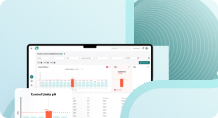
BGO Software’s Advanced Drug Management System (DMS) exemplifies successful adherence monitoring implementation in psychiatric care. This customized web solution features real-time integration with blood analyzers and chronological review of patients’ blood test results for antipsychotic medication management. Healthcare professionals using the system report higher standards of care and increased compliance due to immediate access to real-time data analysis and comprehensive report generation capabilities.
The Advanced DMS addressed key challenges, including integration with existing healthcare systems, managing complex workflows, designing user-friendly interfaces for healthcare professionals, and anything else needed. The system’s secure patient profiles focus specifically on antipsychotic medication management, while detailed chronological views provide customized analysis for psychiatric treatment.
Future trends: AI, wearables, and remote patient monitoring
Artificial intelligence will transform adherence monitoring by enabling predictive interventions that address compliance problems before they occur – essentially giving healthcare providers a crystal ball that actually works. Machine learning algorithms trained on massive datasets will identify subtle patterns that predict adherence failures.
Wearable technology integration will expand beyond simple medication reminders to include comprehensive health monitoring that provides context for adherence data. Future systems will correlate medication-taking events with physiological responses, activity levels, and environmental factors.
Conclusion
Real-time adherence monitoring represents a fundamental advancement in healthcare delivery that addresses one of medicine’s most persistent challenges. The technology provides objective, actionable data that enables healthcare providers to optimize treatment outcomes while reducing costs and improving patient satisfaction.
Success requires careful attention to technology selection, patient engagement strategies, and system integration approaches. Organizations that address implementation challenges achieve substantial improvements in patient care quality while reducing overall healthcare costs.
For healthcare organizations ready to embrace the future of adherence monitoring, partnering with experienced medical IT providers becomes crucial. BGO Software combines deep healthcare domain expertise with cutting-edge technology development capabilities, helping organisations implement adherence monitoring solutions that actually work in real-world clinical environments.
Frequently Asked Questions (FAQ)
What is monitoring adherence?
Monitoring adherence refers to the systematic tracking and measurement of how consistently patients follow their prescribed treatment regimens. This includes taking medications as directed, attending appointments, and following lifestyle recommendations that support therapeutic goals.
What is the concept of adherence?
Adherence represents the extent to which patients follow healthcare provider recommendations regarding medications, dietary changes, exercise, and other therapeutic interventions. Good adherence requires patients to take the right medication, at the right dose, at the right time, for the prescribed duration.
How do you measure adherence?
Healthcare providers measure adherence through multiple methods, including electronic monitoring devices, pill counts, pharmacy refill records, patient self-reports, and biological markers. Real-time monitoring systems provide the most accurate and immediate adherence data by tracking medication-taking events as they occur.
What are the key metrics for adherence monitoring?
Key metrics include percentage of doses taken as prescribed, timing accuracy of medication administration, treatment persistence over time, and clinical outcomes achieved. Advanced systems also track patterns of non-adherence and correlate adherence data with health outcomes to provide comprehensive treatment assessments.
How does AI enhance real-time adherence tracking?
Artificial intelligence analyzes adherence patterns to predict future compliance issues and recommend personalized interventions. AI algorithms can identify subtle behavioral patterns that indicate increased risk of treatment discontinuation, enabling proactive healthcare interventions that maintain consistent medication adherence.
Resources
- Haberer, J. E., Kahane, J., Kigozi, I., Emenyonu, N., Hunt, P., Martin, J., & Bangsberg, D. R. (2010). Real-time adherence monitoring for HIV antiretroviral therapy. AIDS and Behavior, 14(6), 1340-1346.
- Jafleh, E. A., Alnaqbi, F. A., Almaeeni, H. A., Faqeeh, S., Alzaabi, M. A., & Al Zaman, K. (2024). The role of wearable devices in chronic disease monitoring and patient care: A comprehensive review. Cureus, 16(9), e68921.
- Horesh, Y., Oz Rokach, R., Kolben, Y., & Nachman, D. (2025). Real-time monitoring of personal protective equipment adherence using on-device artificial intelligence models. Sensors, 25(7), 2003.
- Msosa, T. C., Swai, I., Aarnoutse, R., Rinke de Wit, T. F., Ngowi, K., Msefula, C., Nliwasa, M., & Sumari-de Boer, M. (2024). The effect of real-time medication monitoring-based digital adherence tools on adherence to antiretroviral therapy and viral suppression in people living with HIV: A systematic literature review and meta-analysis. Journal of Acquired Immune Deficiency Syndromes, 96(5), 411-420.
- Jackson, C., Eliasson, L., Barber, N., & Weinman, J. (2022). Medication nonadherence: health impact, prevalence, correlates and interventions. Psychology & Health, 38(10), 1-28. https://doi.org/10.1080/08870446.2022.2144923

Yoanna is a Technical Copywriter with a keen interest in healthcare innovations and medicine. She is dedicated to crafting clear and engaging content that highlights the latest advancements and trends in the medical field.
link to the author’s linkedin profile